
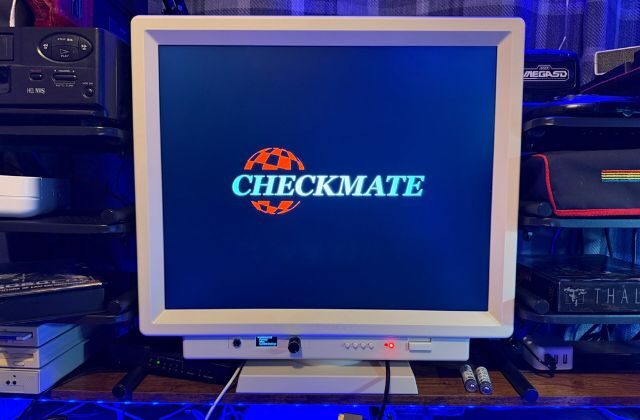
When setting up a gaming rig, retro computing station, or server infrastructure, choosing the right monitor is essential. Your monitor impacts both the visual experience and the overall performance of your system. A great choice can elevate your setup and bring out the best in your favorite games or applications. One such option gaining attention is the Checkmate monitor.
The Checkmate monitor offers two main versions: the Checkmate 1500 Plus, a modular retro-style IPS display for classic and modern systems, and Checkmate, an open-source server monitoring platform designed to track uptime and performance. In this article, we’ll explore both versions of the Checkmate monitor and how they can enhance your setup.
What Is the Checkmate Monitor?
A. Hardware Version (Retro-Style IPS Display)
The Checkmate 1500 Plus is a retro-inspired modular IPS display built for enthusiasts who love the aesthetics of vintage computing. Initially, it gained traction within the retro computing community for its ability to bring new life to classic systems while offering modern technology. Unlike traditional LCD or CRT monitors, the Checkmate 1500 Plus uses an IPS panel, which provides better color accuracy and wider viewing angles.
Its modular design is what truly sets it apart. The Checkmate 1500 Plus supports expandable pods for a variety of inputs, including RGB, SCART, and HDMI, making it a flexible solution for both vintage and modern computers. It captures the nostalgic feel of the old days while ensuring future-proofing with modern technologies.
B. Software Version (Server Monitoring Platform)
The Checkmate server monitoring platform is an open-source tool used by IT professionals to track the uptime, performance, and health of infrastructure. It’s particularly helpful for sysadmins and self-hosters who want a simple yet effective solution to monitor their server environments. The software version solves several common problems: downtime alerts, performance tracking, and response time monitoring. It’s a lightweight, easy-to-use alternative to larger, more complex monitoring stacks like Prometheus or Grafana.
Also Read: The Best Fire Emblem ROM Hacks Every Fan Should Try
Core Features
A. Hardware Features
- Modular Inputs and Expandable Pods: The Checkmate 1500 Plus is a versatile display with expandable pods that let you connect to systems via RGB, SCART, HDMI, and more. This flexibility makes it a great choice for retro gamers and modern setups alike.
- IPS Panel Quality and Size: The display uses IPS technology, offering bright, clear visuals with accurate color reproduction. The screen size and resolution are tailored for an optimal viewing experience, whether you’re playing retro games or using modern software.
- Aesthetic Design and Nostalgic Feel: The Checkmate 1500 Plus is inspired by classic monitors, offering a vintage look with modern capabilities. This design evokes nostalgia among retro computing enthusiasts.
- Custom Control Options: For ease of use, the monitor includes a remote, jog dial, and profile settings, allowing users to adjust settings quickly and easily.
B. Software Features
- Real-Time Uptime and Performance Metrics: The Checkmate monitoring platform provides real-time insights into system uptime and performance, making it easy for IT admins to monitor their infrastructure.
- Alerts, Status Pages, and Incident Tracking: The software includes built-in alerts for downtime or issues, status pages to monitor server health, and incident-tracking tools for reporting and resolving problems quickly.
- Deployment Flexibility: Checkmate can be deployed in various environments, whether it’s self-hosted, cloud-based, or on-premises, offering maximum flexibility for IT teams.
4. Who Is It For?
- Retro Computing and Gaming Enthusiasts: If you love classic gaming and computing, the Checkmate 1500 Plus monitor is perfect for you. It brings modern technology to vintage systems, giving you the best of both worlds.
- IT Sysadmins and Self-Hosters: For those who manage servers or hosting environments, the Checkmate monitoring platform offers a simple yet effective solution for tracking uptime, performance, and issues in real time.
Both types of users will find unique benefits in the Checkmate monitor—whether they are looking to relive nostalgia or streamline their server management.
Pros and Cons
A. Practical Benefits
- Unified Display Solution: For classic computers and gaming systems, the Checkmate 1500 Plus offers a one-stop solution for connecting and displaying everything, from old-school consoles to modern devices.
- Modern Panel Clarity with Retro Vibes: The IPS panel delivers crystal-clear visuals, making it an excellent choice for retro gaming or modern setups that still want a classic feel.
- Open-Source Monitoring with Flexible Deployment: The Checkmate software offers real-time monitoring, easy alerts, and customizable deployment options, making it a top choice for sysadmins and self-hosters.
B. Points to Consider
- Cost and Shipping Fees: The Checkmate 1500 Plus might be on the pricier side, especially when factoring in potential import or shipping costs for international buyers.
- Learning Curve: Both the hardware and software versions may require some time to get used to, particularly for users unfamiliar with retro tech or open-source monitoring tools.
- Competition: Advanced users may find larger software monitoring platforms like Prometheus or Grafana more feature-rich, although they come with a steeper learning curve.
Comparison with Competitors
The Checkmate 1500 Plus competes with other retro display options, such as standard TFT monitors and external scalers. While these alternatives may be cheaper or easier to set up, they often lack the modular design and nostalgia factor of the Checkmate 1500 Plus.
For server monitoring, Checkmate is an open-source alternative to commercial tools like Datadog or New Relic. While these services are robust, they often come with high subscription fees, making Checkmate a cost-effective and flexible option.
Real-World Use Cases
- Retro Computing: The Checkmate 1500 Plus is perfect for systems like the Amiga, Commodore 64, and Raspberry Pi. It supports modern systems while delivering a retro aesthetic, making it ideal for enthusiasts and collectors.
- Server Monitoring: IT teams can use Checkmate to monitor the health and performance of web servers, cloud services, or on-premises infrastructure, helping them stay ahead of potential issues before they cause downtime.
Also Read: Anime Opening Ranking Games Online: A Fun Way to Celebrate Your Favorite Songs
Conclusion
The Checkmate monitor is a versatile tool for both retro gaming enthusiasts and IT professionals. Whether you’re looking to enhance your vintage computing experience with the Checkmate 1500 Plus or need a flexible, open-source server monitoring tool, the Checkmate monitor offers valuable solutions for a variety of users.