
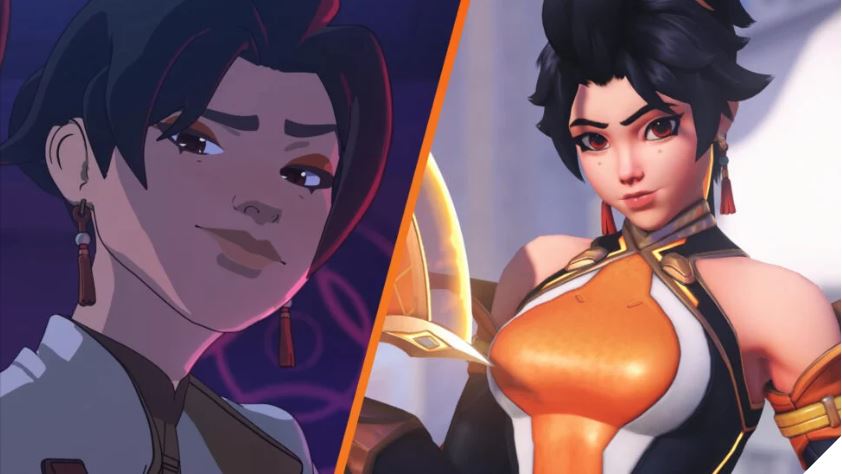
The Overwatch community is no stranger to passionate discussions, but the recent debate around the new hero Anran has sparked an unusually strong reaction. Players across social media have raised concerns about her character design, questioning whether it truly reflects her story, personality, and cultural background.
This situation matters because character design in modern games goes beyond visuals. It connects to representation, identity, and how players emotionally engage with a hero. The issue gained even more attention when the Overwatch game director publicly acknowledged the backlash and confirmed that Anran will be redesigned following player and voice actor feedback.
Also Read: Nintendo Direct Partner Showcase: Here’s Where to Watch Today’s Big Presentation
Who Is Anran?
Anran is a newly introduced damage hero in Overwatch. She is known for her fire-based abilities and is presented in the game’s lore as the older sister of Wuyang, another important character in the expanding Overwatch universe.
When Anran was first revealed through cinematic footage and early trailers, fans noticed a stronger, more mature design that matched her backstory. However, when her final in-game model was shown, many players felt it looked noticeably different. The contrast between the early reveal and the in-game appearance became the starting point of the controversy.
Understanding the Backlash
Visual Changes From Early Reveals
One of the biggest complaints focuses on how Anran’s final in-game model appears younger and softer than expected. Players noted that her facial structure, expressions, and overall look felt less distinctive compared to her cinematic version.
Many fans also pointed out that her face resembles other existing heroes, which made her feel less unique despite being a major new addition to the roster.
“Same Face Syndrome” and Community Reaction
The term “same face syndrome” quickly spread across Reddit, X (Twitter), and fan forums. This phrase is often used when characters share similar facial features, reducing diversity in character design.
Memes, comparison images, and fan edits began circulating online. A large portion of the community openly called on Blizzard to rethink Anran’s appearance and give her a more original, lore-accurate design.
Voice Actor Speaks Out
The discussion reached a new level when Anran’s English voice actor, Fareeha, publicly shared her disappointment with the final design. She supported fan criticism and expressed that the character could be portrayed in a stronger and more authentic way.
Her reaction added credibility to the concerns and showed that the feedback wasn’t coming from players alone, but also from someone closely connected to the character.
The Overwatch Director’s Response
In response to the growing criticism, Aaron Keller, the game director of Overwatch, addressed the issue directly. He stated that the development team had carefully listened to player feedback and agreed that Anran “can be even better.”
Keller confirmed that Blizzard is committed to redesigning Anran so her appearance better reflects her personality, lore, and original concept. While no final visuals have been shared yet, he mentioned that changes are expected to appear around Season 1, though details are still being tested and refined.
Why This Debate Is Important
Representation and Character Identity
In modern gaming, character design plays a major role in representation. Players want heroes that feel distinct, believable, and culturally respectful. Many critics argue that standard beauty trends can sometimes weaken character identity, especially in a global game like Overwatch.
Anran’s situation highlights the importance of thoughtful design choices that support storytelling rather than simplify it.
Developer–Community Dialogue
This controversy also shows how valuable open communication between developers and players can be. Blizzard’s willingness to respond publicly and promise changes reflects a growing trend in game development: listening to the community.
How Blizzard handles Anran’s redesign may influence how future Overwatch heroes are introduced and refined.
Community Voices and Mixed Opinions
While many fans support a redesign, others believe Anran’s current model is acceptable and feel the backlash may be exaggerated. Some argue that gameplay matters more than facial design, while others emphasize that visuals are a core part of immersion.
At the same time, fan-made redesigns and concept art continue to gain attention, showing how invested the community is in Anran’s future.
Also Read: Super Bomberman Collection Has Been Announced for Switch and Switch 2 – Available Today!
What’s Next for Anran?
Players now expect Blizzard to strike a balance between artistic vision and community expectations. Many hope the redesign will bring Anran closer to her cinematic reveal while maintaining technical consistency within the game.
Although Season 1 has been mentioned as a possible window, the final update timeline remains flexible as Blizzard continues internal testing.
Conclusion
The Anran redesign controversy highlights a key issue in modern video games: players want characters that feel meaningful, original, and respectful to their stories. Blizzard’s promise to improve Anran shows that community feedback still holds real power.
As Overwatch continues to evolve, this moment may serve as a reminder that great games are shaped not just by developers, but by the players who care deeply about them.