
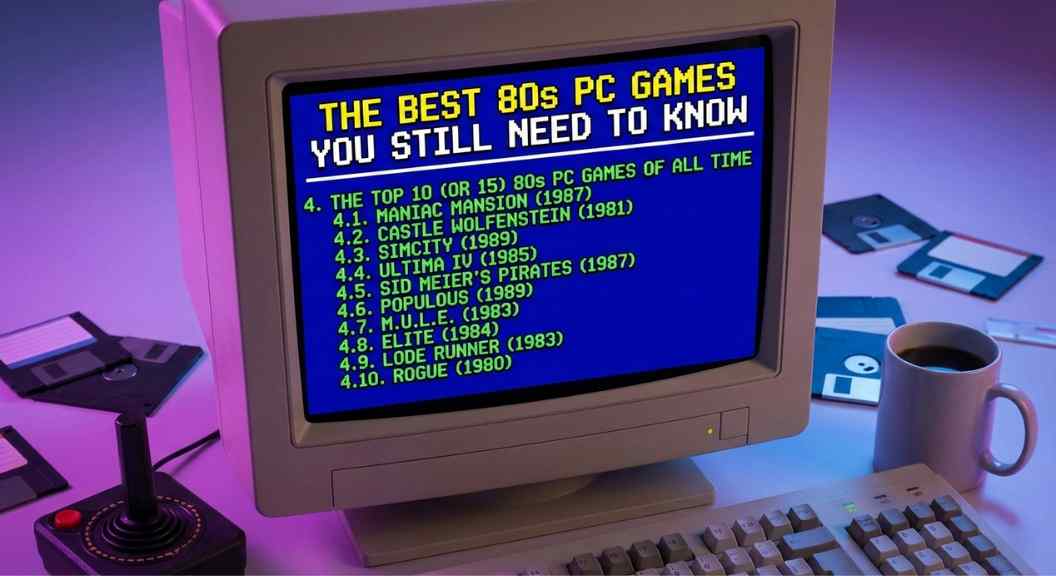
The 1980s were a golden era for personal computer gaming. During this time, the industry blossomed, setting the stage for the incredible advancements in game design that we see today. It was the decade that gave birth to unforgettable classics, many of which influenced modern gaming genres. From point-and-click adventures to complex simulations, the ’80s shaped the foundation of what we consider “video games” now.
In this article, we’ll dive into some of the best 80s PC games, exploring their lasting legacy, gameplay innovations, and how they influenced the games we play today. Whether you’re a nostalgic gamer or new to this era, this list offers a variety of genres that highlight the creativity of the 1980s.
What Made 80s PC Games Special
The 1980s were a time of great innovation in the gaming industry. Personal computers like the IBM PC, Commodore 64, and Apple II were the platforms that made these games possible. The limitations of early hardware pushed developers to think outside the box, creating breakthrough technologies and game mechanics that set trends for future decades.
Despite their limited graphics and processing power, 80s games were characterized by innovative gameplay, which included the birth of role-playing games (RPGs), simulations, and adventure games. These genres would go on to dominate gaming in the following decades.
Criteria for “Best 80s PC Games”
To make our list of the best 80s PC games, we focused on several key factors:
- Historical impact: How much did this game shape future genres and influence the gaming world?
- Popularity and cultural legacy: Did the game become widely known or beloved by a large audience?
- Gameplay innovation: Did it introduce new mechanics or ways to play that were ahead of its time?
- Longevity and replay value: Can the game still be enjoyed today, or does it offer a lasting appeal?
Also Read: Best NES Racing Games: A Journey Through Classic Racing Action
The Top 10 80s PC Games of All Time
Maniac Mansion (1987)
This point-and-click adventure game by Lucasfilm Games (now known as LucasArts) defined a genre. With its quirky characters, engaging puzzles, and unique narrative, Maniac Mansion set the stage for future adventure games like Monkey Island and Day of the Tentacle.
Castle Wolfenstein (1981)
One of the earliest stealth-action games, Castle Wolfenstein put players in the shoes of an Allied soldier sneaking into a Nazi base. Its influence can still be felt in modern stealth games, and it inspired the Wolfenstein series, which is a staple in action games today.
SimCity (1989)
This groundbreaking city-building simulation allowed players to create, manage, and sustain entire cities. SimCity was one of the first games to introduce complex, real-time simulation mechanics and inspired many future strategy games like SimCity 2000 and Cities: Skylines.
Ultima IV: Quest of the Avatar (1985)
Ultima IV redefined the role-playing game genre with its emphasis on moral choices and deep storytelling. It was not just about defeating monsters but about seeking personal growth and virtue. Ultima IV laid the groundwork for future RPGs, influencing The Elder Scrolls and other games that focused on narrative depth.
Sid Meier’s Pirates (1987)
This open-world pirate adventure game from Sid Meier allowed players to explore the high seas, engage in naval battles, and pursue a variety of career paths. Its freeform gameplay and emphasis on exploration and strategy gave it long-lasting appeal.
Populous (1989)
In Populous, players controlled god-like powers to shape the landscape, direct followers, and engage in strategy-based battles. This god game was a revolutionary concept at the time and inspired later titles such as Black & White and SimCity.
M.U.L.E. (1983)
M.U.L.E. is one of the most inventive economic strategy games of the 1980s. Its blend of cooperative and competitive gameplay made it stand out as a unique experience in the world of strategy games.
Elite (1984)
Elite was a space trading and combat simulator that featured open-ended gameplay. Players could trade goods, engage in combat, and explore vast, procedurally generated galaxies. It was a pioneer in open-world games, influencing the likes of EVE Online and Star Citizen.
Lode Runner (1983)
This puzzle-platformer is beloved for its level design and the unique mechanic of digging holes to trap enemies. Lode Runner pushed the boundaries of what a puzzle game could be and has influenced puzzle games ever since.
Rogue (1980)
The classic roguelike game that started it all. In Rogue, players explored dungeons, battling monsters and collecting treasure. The game’s randomly generated levels and permadeath mechanics became hallmarks of the roguelike genre, which remains popular to this day.
Optional—extend to top 15 with: Space Quest, King’s Quest, Wizardry, The Oregon Trail, etc.
Notable Honorable Mentions
While the following games didn’t make the top 10, they remain iconic in their own right:
- Space Quest (series) – A blend of humor and storytelling that brought the world of sci-fi to life.
- The Oregon Trail – A fun yet educational experience that has inspired generations of gamers.
- Prince of Persia – Known for its smooth animation and innovative platforming mechanics.
- Sokoban & Alley Cat – Cult favorites for puzzle-solving and platform gameplay.
Genre Highlights from the 80s
Adventure & Story-Driven Games
The 1980s saw the rise of narrative-driven games that focused on storytelling. Maniac Mansion and King’s Quest are prime examples of how adventure games created immersive worlds and stories.
Strategy & Simulation
Games like SimCity and Populous demonstrated the growing interest in complex, thoughtful gameplay where players could shape entire worlds.
Action & Arcade Ports
The 80s also saw a surge of arcade-inspired games that made their way to PCs. These included action-packed titles like Castle Wolfenstein and Rogue.
RPGs and Role-Playing Evolution
The 1980s laid the foundation for the RPG genre, with groundbreaking titles like Ultima IV and Wizardry offering new ways to experience games.
How These Games Influenced Modern Gaming
The 80s were a formative period for gaming. Modern games owe much to the innovations and concepts introduced in these early classics. From roguelikes to city-building sims, the genres born in the 80s have continued to evolve. Today’s indie games continue to pay homage to the groundbreaking games of the 1980s, ensuring their legacy lives on.
How to Play These Classics Today
If you want to relive these iconic games, there are plenty of options:
- Legal re-releases are available on platforms like GOG and Steam, offering the chance to enjoy these games on modern systems.
- Emulators allow you to play these classics on your PC, with software like DOSBox providing an easy way to experience the past.
- Preservation projects have kept these games alive through community-driven efforts, ensuring future generations can enjoy them.
For first-time players, many of these games may feel dated, but they offer a glimpse into the past and show how far gaming has come.
Also Read: The Ultimate Guide to 80s Toys: Icons, Nostalgia & Legacy
Conclusion
The 1980s were a transformative decade for the gaming industry, setting the stage for everything we love about games today. From innovative gameplay to narrative depth, the classics of this era laid the groundwork for modern game design. As we celebrate these iconic games, we encourage you to share your favorites or memories in the comments below.